
Scale your fitness business with automation in 2026
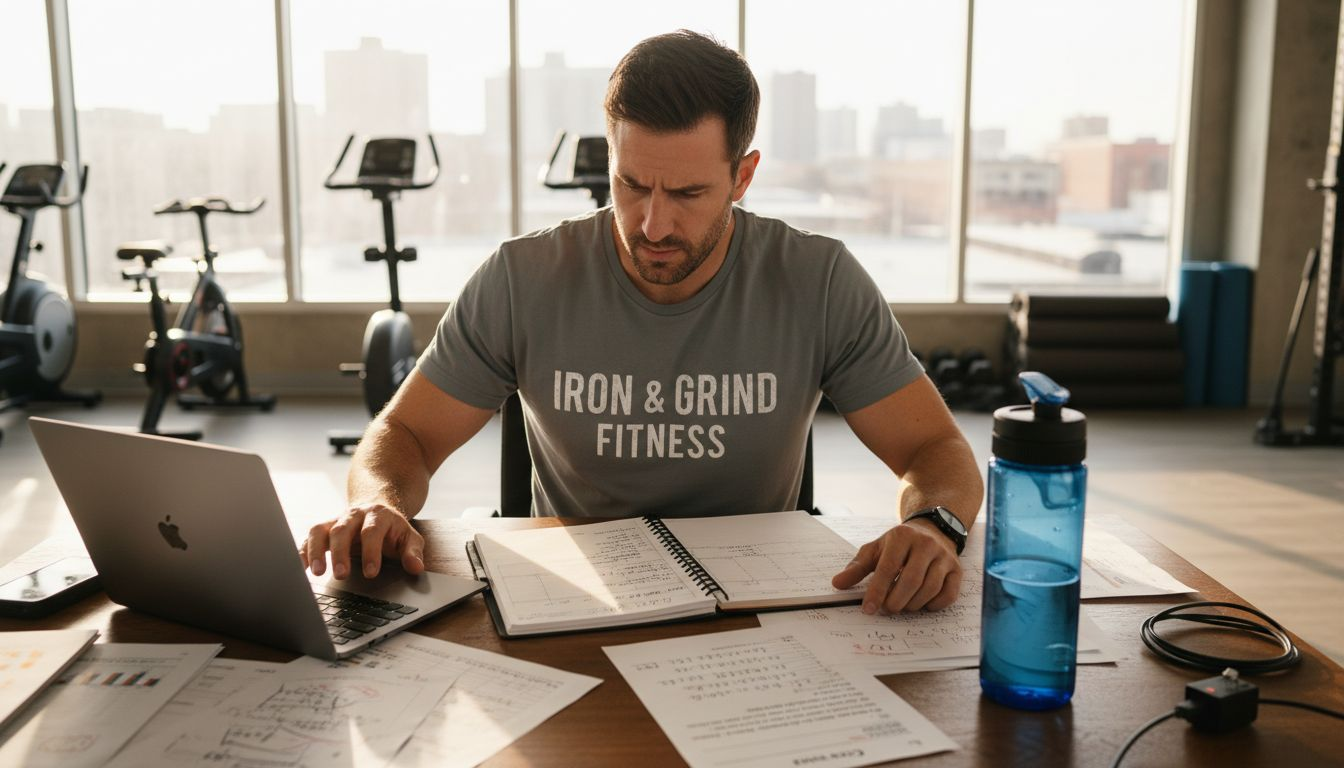
Growing a fitness business is exciting, but it quickly becomes overwhelming when you're juggling more clients than your schedule can handle. You want to expand your reach without sacrificing the personalized attention that makes your training effective. The solution lies in combining smart automation with tailored program design, two strategies that let you scale sustainably while maintaining quality. This guide walks you through the prerequisites, actionable steps, and monitoring techniques you need to grow your fitness business successfully in 2026.
Table of Contents
- Understanding The Challenges Of Scaling A Fitness Business
- Preparing To Scale: Essential Tools And Prerequisites
- Executing Your Scaling Strategy With Automation And Personalization
- Monitoring Progress And Optimizing Your Fitness Business Growth
- Scale Your Fitness Business With TrainingPro
- Frequently Asked Questions
Key takeaways
| Point | Details |
|---|---|
| Balance growth with personalization | Scaling requires managing more clients while maintaining individualized attention and service quality. |
| Automate routine tasks | Automation tools streamline scheduling, billing, and communication, freeing up hours for client-facing work. |
| Personalize program design | Tailored workout plans boost client engagement, satisfaction, and long-term retention rates. |
| Invest in integrated software | The right platform simplifies operations, marketing, and client management in one unified system. |
| Monitor and optimize continuously | Tracking KPIs and adjusting strategies based on data ensures sustainable growth and improved outcomes. |
Understanding the challenges of scaling a fitness business
Scaling means managing more clients without reducing service quality, a balancing act that trips up even experienced trainers. You face time constraints that make it impossible to give every client the attention they deserve. Client retention becomes harder when you're stretched thin, and inconsistent programming damages your reputation faster than you can rebuild it.
Common obstacles include:
- Spending hours on administrative tasks instead of training
- Struggling to create unique programs for each client's goals and injuries
- Losing clients who feel like just another number in your roster
- Missing growth opportunities because you're too busy to market effectively
Personalized attention is what separates great trainers from mediocre ones, but it's nearly impossible to maintain when you're juggling 30+ clients manually. You end up recycling generic programs, skipping follow-ups, and watching your retention rates drop. The real challenge isn't attracting new clients, it's serving them well enough that they stay and refer others.
"The trainers who scale successfully are the ones who automate the repetitive stuff and spend their energy on what actually moves the needle: relationships and results."
Operational inefficiencies kill growth before it starts. If you're manually tracking workouts in spreadsheets, chasing payments, and scheduling sessions through text messages, you're bleeding time that could go toward coaching. Addressing these bottlenecks is the first step toward sustainable expansion. You need systems that work for you, not the other way around.
Preparing to scale: essential tools and prerequisites
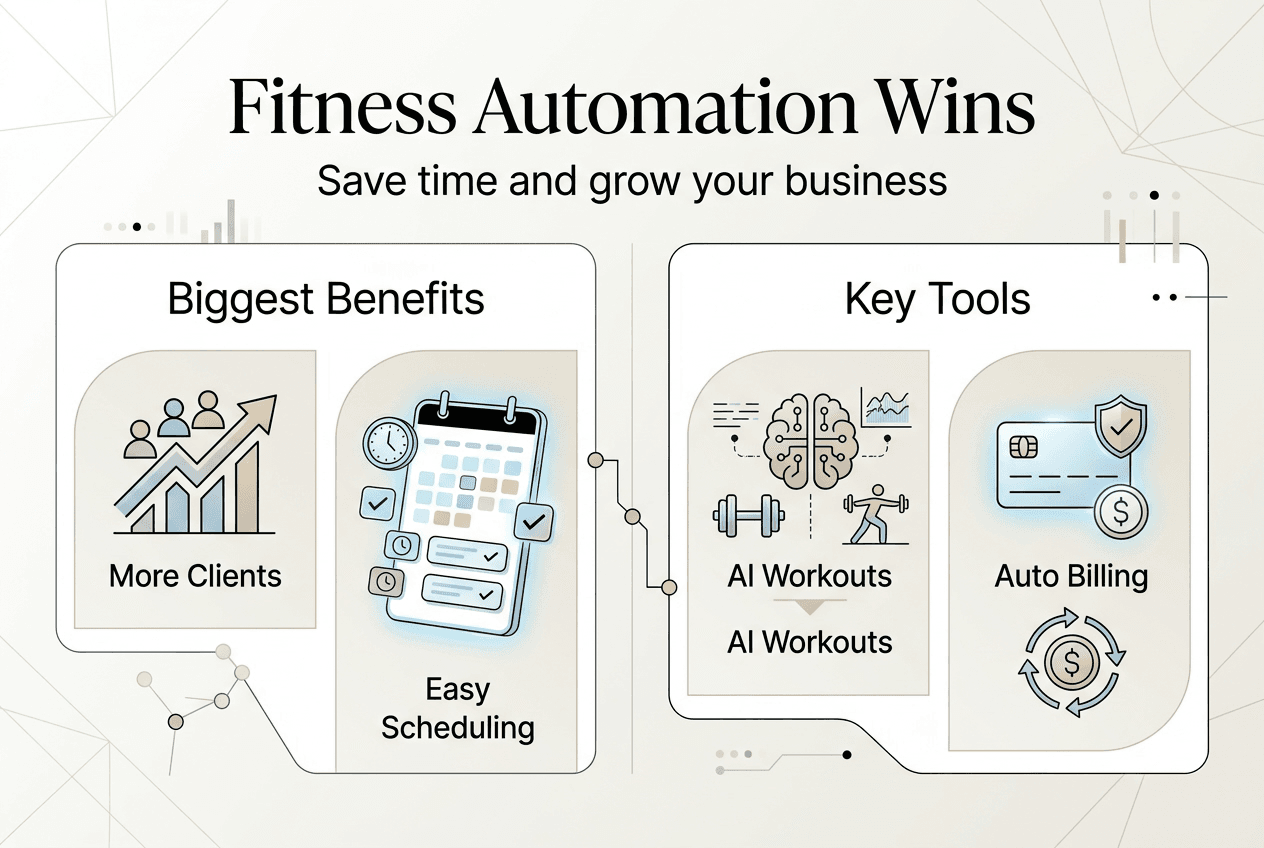
Before you add more clients, build a reliable client management system that handles the administrative load. You need software that centralizes scheduling, billing, and communication so nothing falls through the cracks. Automated scheduling eliminates the back and forth of finding appointment times, while automated billing ensures you get paid on time without chasing invoices.
The right platform supports personalized workout plans tailored by AI, letting you create custom programs in minutes instead of hours. Look for tools that factor in client goals, injury history, training preferences, and available equipment. This level of customization used to require extensive manual work, but modern AI handles it while you focus on coaching.
Pro Tip
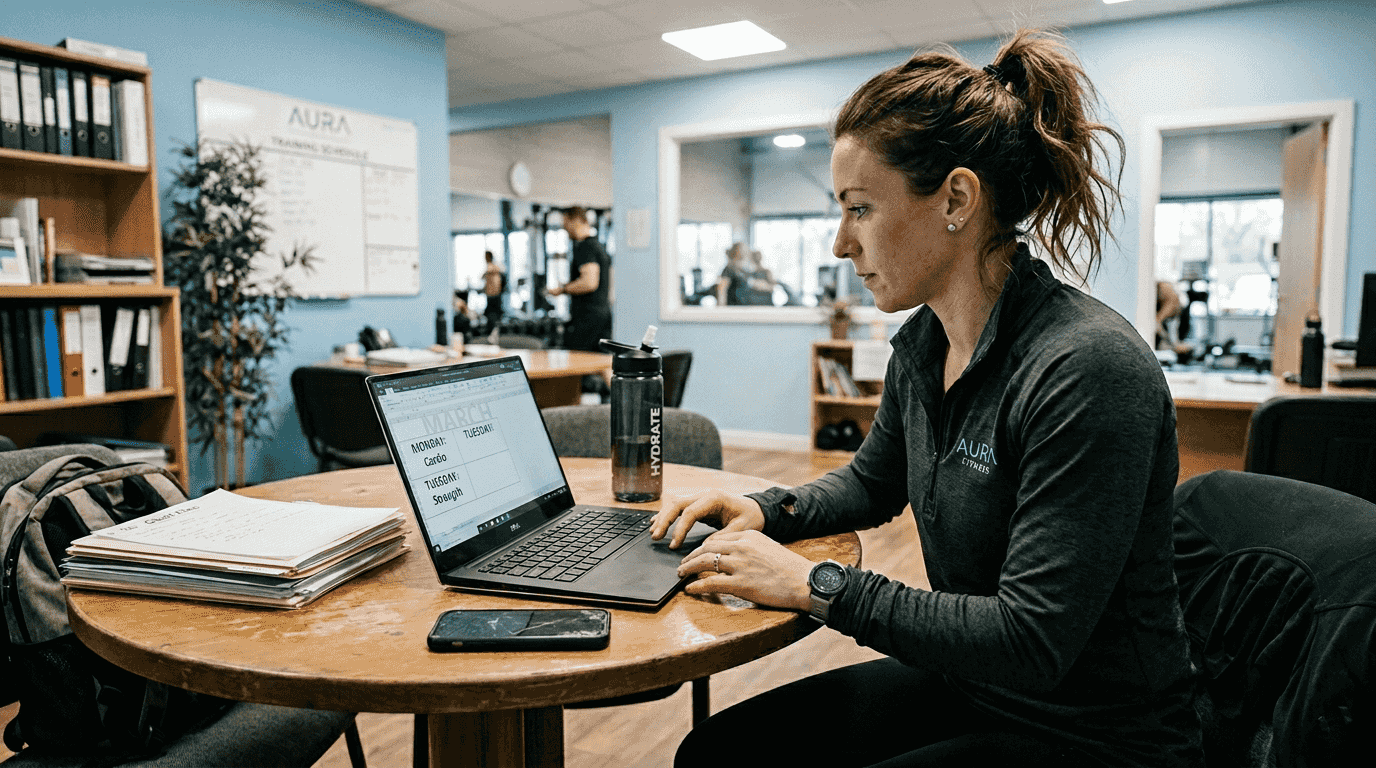
Start with one automation at a time. Implement automated scheduling first, master it, then add billing automation. Trying to overhaul everything at once creates chaos instead of efficiency.
Marketing tools are just as critical as operational ones. Prepare lead generation forms that capture potential clients' information and automatically follow up. You need a system that nurtures leads while you're training current clients, turning interest into booked sessions without constant manual outreach.
| Tool Category | Purpose | Time Saved Weekly |
|---|---|---|
| Client Management | Centralize contact info, progress tracking, and communication | 3-4 hours |
| Automated Scheduling | Eliminate booking back and forth and reduce no-shows | 2-3 hours |
| AI Workout Builder | Create personalized programs based on client data | 4-5 hours |
| Billing Automation | Handle payments, invoices, and reminders automatically | 1-2 hours |
| Lead Generation | Capture and nurture prospects without manual follow-up | 2-3 hours |
Your tech stack should integrate seamlessly, not force you to jump between five different platforms. A unified system saves time and reduces errors that happen when data doesn't sync properly. Before scaling, test your systems with your current client load to identify gaps and fix them when the stakes are lower.
Invest in an AI-powered workout builder that learns from your training philosophy and applies it consistently across all client programs. This ensures quality stays high even as your roster grows. The best tools feel like an extension of your expertise, not a replacement for it.
Executing your scaling strategy with automation and personalization
Implementing your scaling strategy starts with automating client onboarding. Set up automated welcome sequences that send new clients their intake forms, program overview, and first week's workouts without you lifting a finger. This creates a professional first impression while freeing you to focus on the actual training.
- Automate scheduling by integrating a booking system that syncs with your calendar and sends automatic reminders 24 hours before sessions.
- Use AI to design personalized workouts by inputting client goals, injuries, and equipment access into your workout builder platform.
- Set up automated check-ins that prompt clients to log workouts, report progress, and flag any issues between sessions.
- Create templated communication for common scenarios like missed sessions, payment reminders, and milestone celebrations.
- Implement progress tracking that automatically updates client dashboards and alerts you to plateaus or regression.
Personalization at scale sounds contradictory, but it's achievable when you leverage data properly. Your AI tools should analyze client performance patterns and suggest program adjustments based on what's working. You review and approve these suggestions, maintaining your coaching judgment while letting technology handle the heavy lifting.
Maintain engagement through regular communication that feels personal even when it's partially automated. Send video check-ins for major milestones, customize your automated messages with client-specific details, and schedule monthly strategy calls to discuss progress. The balance between automation and human connection determines whether clients feel supported or processed.
Pro Tip
Record short video tutorials for common exercises and movement patterns, then link to them in automated workout plans. This adds a personal touch without requiring you to repeat the same explanation 50 times.
Your automated systems should flag situations that need human intervention. If a client misses three sessions in a row, your system alerts you to reach out personally. If someone's progress stalls, you get notified to adjust their program. Automation handles the routine, you handle the exceptions that require expertise and empathy.
Key actions to balance automation with personal touch:
- Schedule quarterly in-person or video reviews with each client
- Respond personally to client messages within 24 hours
- Celebrate client wins with personalized notes or shoutouts
- Adjust automated programs based on individual feedback and preferences
- Host monthly group challenges that build community among your clients
Monitoring progress and optimizing your fitness business growth
Regularly measure key performance indicators to verify your scaling efforts are working. Track client retention rates, revenue growth, and engagement metrics monthly to spot trends before they become problems. If retention drops below 85%, dig into why clients are leaving and address the root cause immediately.
Compare your manual workflow efficiency against your automated systems to quantify the time savings. Document how long tasks took before automation, then measure again after implementation. Most trainers save 10-15 hours weekly once their systems are dialed in, time they reinvest into coaching or business development.
| Metric | Manual Process | Automated Process | Improvement |
|---|---|---|---|
| Client onboarding time | 45 min per client | 10 min per client | 78% faster |
| Program design time | 60 min per program | 12 min per program | 80% faster |
| Payment collection rate | 85% on time | 98% on time | 15% improvement |
| Client communication frequency | 2x per month | 8x per month | 4x increase |
| No-show rate | 12% | 3% | 75% reduction |
Adjust your marketing and client programs based on data insights, not gut feelings. If your lead generation forms convert at 15% while industry average is 25%, test different form lengths, questions, and follow-up sequences. If certain workout styles produce better results, incorporate more of those elements across your client base.
Prioritize client relationships alongside automation by scheduling regular touchpoints that can't be automated. Monthly progress reviews, quarterly goal-setting sessions, and annual fitness assessments keep you connected to each client's journey. These human moments build the loyalty that turns clients into long-term advocates for your business.
Monitoring actions to implement:
- Review client retention data monthly and reach out to at-risk clients proactively
- Track which lead sources produce the highest lifetime value clients
- Survey clients quarterly about their experience and satisfaction levels
- Analyze which program types produce the fastest results and replicate them
- Monitor your time allocation weekly to ensure you're focusing on high-value activities
Your growth strategy should evolve based on what the data tells you. If automated email sequences aren't getting opened, test different subject lines and send times. If certain client segments have higher retention, focus your marketing on attracting more people who fit that profile. Optimization is ongoing, not a one-time fix.
Scale your fitness business with TrainingPro
Growing your fitness business doesn't mean sacrificing the personalized service that makes you effective. TrainingPro provides AI-driven tools that automate program design, client management, and marketing so you can focus on what you do best: coaching. Our platform saves trainers over 10 hours weekly by handling the repetitive tasks that drain your energy.
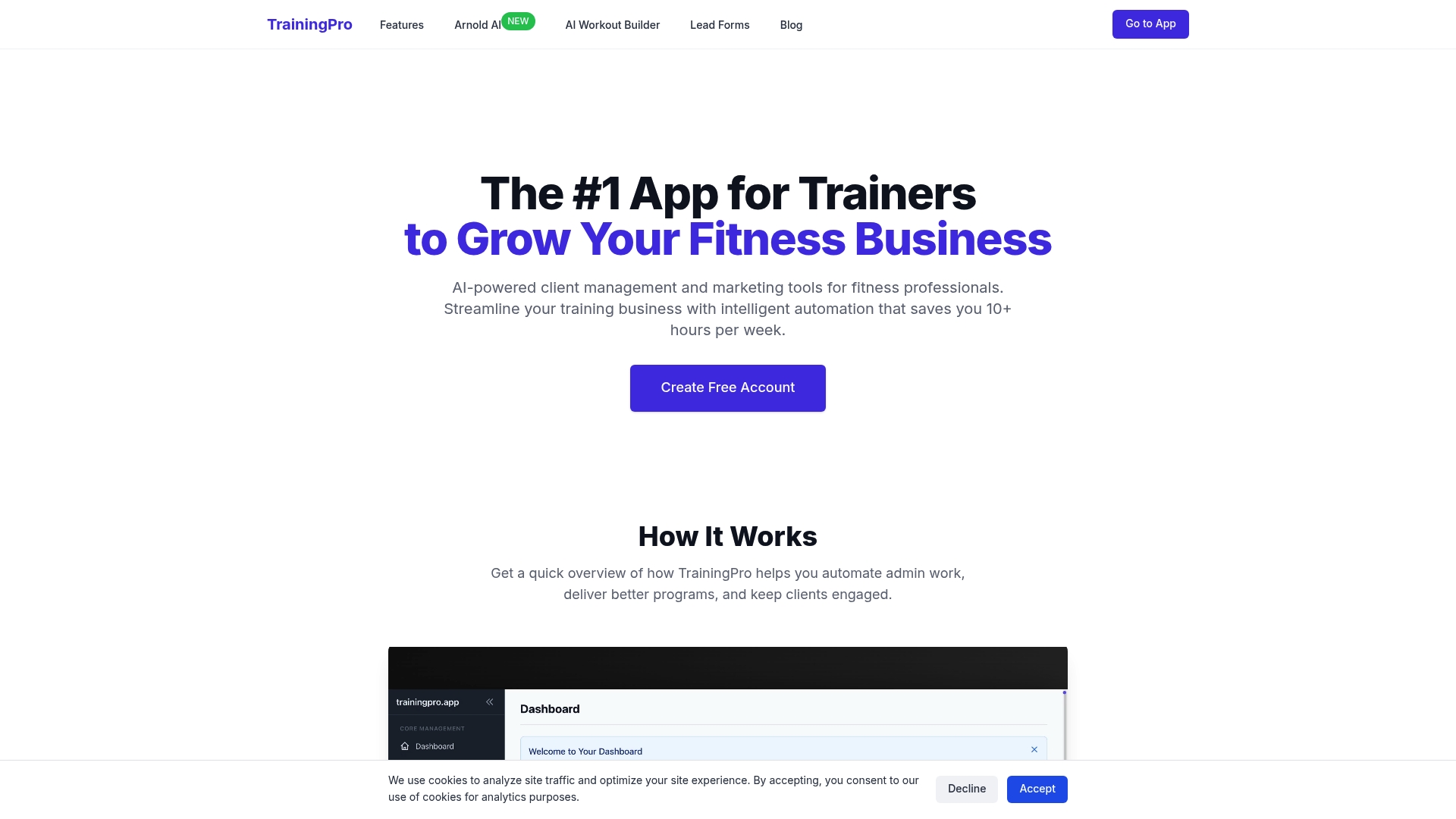
Explore our AI-powered workout builder to create personalized programs in minutes, not hours. The system considers each client's goals, injuries, and preferences while maintaining your training philosophy. Use our lead generation forms to attract new clients automatically, with follow-up sequences that nurture prospects while you train current clients. Join thousands of fitness professionals successfully scaling their businesses with TrainingPro's integrated platform designed specifically for trainers who want to grow without burning out.
Ready to Transform Your Fitness Business?
Join thousands of trainers using TrainingPro to automate admin, grow their client base, and focus on what they love—coaching.
Start your 14-day free trial • Cancel anytime
Frequently asked questions
Automation streamlines routine tasks like scheduling, billing, and client reminders, saving you 10-15 hours weekly. This freed-up time lets you focus on personalized client engagement, program refinement, and business development. AI-driven workout builders enhance program customization by analyzing client data and suggesting tailored plans you can review and approve. The key is maintaining human connection alongside automation, using technology to handle repetitive work while you provide the expertise and empathy that build lasting client relationships.
You need integrated fitness business software that handles client management, scheduling, billing, workout programming, and lead generation in one platform. Look for tools with AI workout builders that create personalized programs based on client goals and limitations. Essential features include automated scheduling with reminder systems, payment processing with automatic invoicing, progress tracking dashboards, and marketing tools like lead capture forms. Investing in a unified system like TrainingPro eliminates the inefficiency of juggling multiple disconnected tools and ensures data flows seamlessly across all business functions.
Personalized programs show clients you understand their unique goals, limitations, and preferences, creating emotional investment in their training. This individualized attention leads to higher satisfaction because clients see consistent progress tailored specifically to them. When people feel like more than just another generic program, they stay longer and refer more friends. Combining strong relationships and results is the proven formula for retention rates above 90%, and personalization is the foundation of both elements.
Track client retention rate monthly, aiming for 85% or higher to ensure your growth is sustainable. Monitor revenue per client and total revenue growth to verify your pricing and upsell strategies are working. Measure client engagement through workout completion rates, check-in frequency, and communication responsiveness. Track operational efficiency by documenting time spent on administrative tasks versus client-facing work. Finally, monitor lead conversion rates and cost per acquisition to optimize your marketing spend and client retention strategies for maximum return on investment.
Most trainers see measurable results within 60-90 days of implementing automation systems properly. The first month involves setup, testing, and adjusting your workflows to fit your business model. Month two focuses on optimizing based on initial data and client feedback. By month three, you typically have reliable systems that let you add 5-10 new clients monthly without sacrificing service quality. Sustainable scaling happens when you grow your capacity in line with your systems' maturity, not by rushing to add clients before your infrastructure can support them effectively.
Recommended
- Business growth strategies for trainers in 2026 | TrainingPro
- AI-Powered Workout Builder Guide | Transform Your Fitness Business | TrainingPro
- TrainingPro Early Access Program | TrainingPro
- TrainingPro — #1 App for Trainers | Fitness Business Software
- Industrial Marketing Strategy, Built to Scale
- Multifunctional Fitness Platform | AskNik.gr – Asknik


