
Master the role of technology in personal training
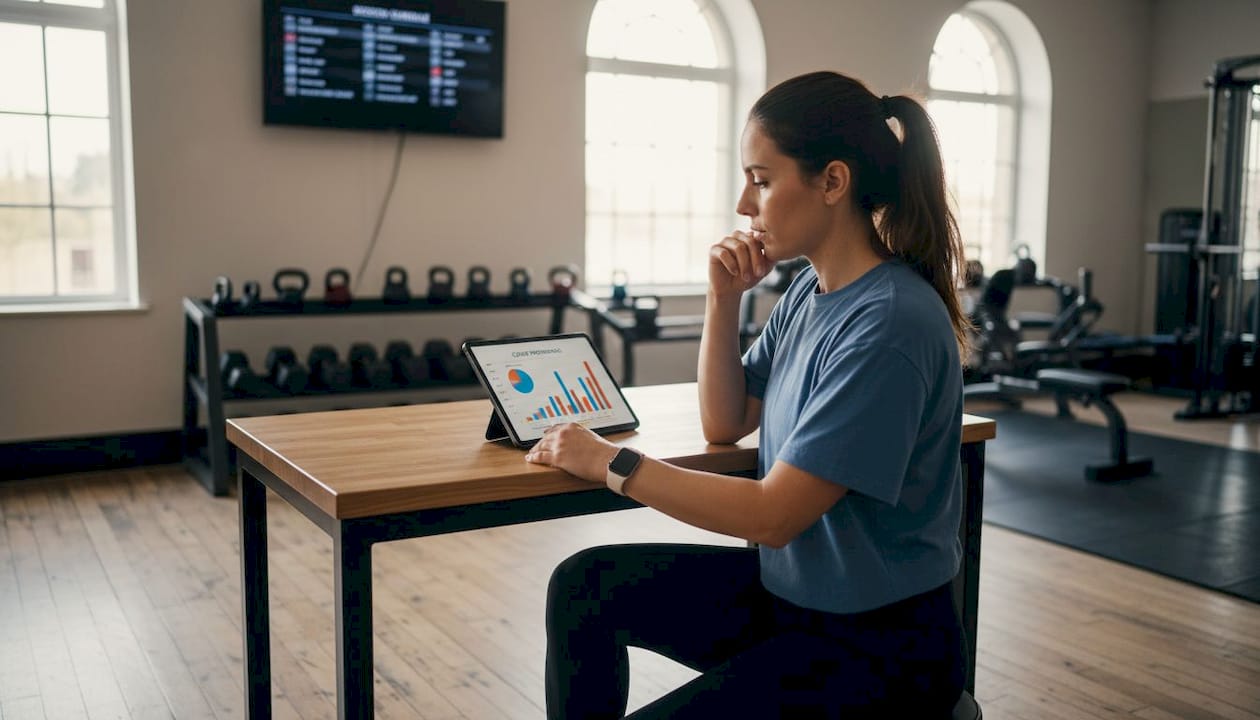
Many trainers worry that technology will replace the human connection in coaching, but the reality is far more nuanced. Technology serves as a powerful multiplier for your expertise, not a replacement for it. Smart integration of AI, wearables, and automation platforms can transform how you deliver personalized programs, track client progress, and manage your business operations. This guide breaks down exactly how to leverage technology to enhance client engagement, streamline your workflow, and deliver measurably better training outcomes while preserving the irreplaceable human elements that make coaching effective.
Table of Contents
- Key takeaways
- How technology enhances personal training programs
- Balancing technology and human elements in training
- Choosing and integrating technology solutions effectively
- Overcoming challenges and future trends in technology for personal training
- Enhance your personal training workflow with TrainingPro
- FAQ
Key Takeaways
How technology enhances personal training programs
Wearable devices have revolutionized how trainers monitor client performance outside the gym. Heart rate monitors, movement trackers, and smart clothing capture biometric data continuously, giving you visibility into recovery patterns, sleep quality, and daily activity levels. This constant stream of information lets you adjust programming based on actual physiological responses rather than client recall or guesswork.
AI-powered apps adapt workout intensity in real time using sensor data to predict fatigue and injury risk. These systems analyze movement patterns, identify compensations, and flag potential issues before they become problems. Research demonstrates that technology-assisted training improved squat speed and increased daily step counts compared to traditional methods alone.
Comprehensive personal training software automates the operational backbone of your business. Client scheduling, payment processing, program delivery, and progress tracking happen within unified platforms that eliminate manual data entry and reduce administrative friction. This operational efficiency directly impacts your bottom line by allowing you to serve more clients without proportional increases in work hours.
The automation advantage extends beyond basic scheduling. Modern platforms integrate exercise libraries with video demonstrations, automatically generate workout variations based on available equipment, and send automated check-ins to maintain client engagement between sessions. These features transform how you scale personalized attention across a growing client roster.
Pro Tip
Select platforms that integrate wearable data directly into client dashboards so you can review biometrics alongside workout performance without switching between multiple apps.
Data visualization tools within AI-enhanced training platforms translate raw numbers into actionable insights. Instead of manually tracking spreadsheets, you see trend lines showing strength progression, volume tolerance, and recovery patterns at a glance. This visual feedback helps clients understand their progress and keeps motivation high through tangible evidence of improvement.
The combination of monitoring, automation, and intelligent programming creates a coaching experience that feels highly personalized even as you manage dozens of clients. Technology handles the repetitive analysis and communication tasks while you focus on the nuanced coaching decisions that require human judgment and expertise.
Balancing technology and human elements in training
Despite impressive capabilities, AI lacks the body awareness and contextual memory necessary for real-time form corrections during complex movements. An algorithm cannot see subtle hip shifts during a deadlift or recognize when a client’s facial expression signals genuine pain versus normal training discomfort. These observations require human perception and experience that current technology cannot replicate.
Motivational support remains fundamentally human. Technology can send reminder notifications and display progress charts, but it cannot read the room when a client arrives stressed from work and needs encouragement rather than intensity. The emotional intelligence required to adjust coaching style based on client mood, life circumstances, and psychological state lies firmly in the human domain.
Hybrid coaching models leverage the strengths of both approaches. Technology provides the data infrastructure and automation while human trainers deliver accountability, technique refinement, and adaptive decision-making. This combination produces superior outcomes compared to either approach alone because it addresses both the technical and psychological dimensions of behavior change.
“Technology gives me the insights I need to make better programming decisions, but my clients still need me to interpret that data, adjust their mindset, and keep them accountable when motivation wanes. The tools make me more effective, not obsolete.” – Experienced Personal Trainer
Resistance to technology adoption persists among some veteran trainers who view it as unnecessary or threatening to their expertise. This resistance often stems from unfamiliarity rather than genuine limitations of the tools themselves. Overcoming this barrier requires demonstrating how technology amplifies rather than replaces coaching skills.
The most successful trainers use technology as an extension of their expertise. Wearable data informs programming decisions. Automated communications maintain consistent touchpoints. Exercise libraries with demonstration videos ensure technique consistency between sessions. Each technological element supports the human coaching relationship rather than competing with it.

Pro Tip
Review client wearable data before each session to identify recovery issues or unexpected activity patterns, then use that information to guide your in-person coaching conversations and programming adjustments.
The key distinction lies in application. Technology excels at pattern recognition, data processing, and consistent execution of predetermined protocols. Humans excel at contextual interpretation, emotional connection, and creative problem-solving when standard approaches fail. Effective personal training in the modern era requires both skill sets working in concert.
Choosing and integrating technology solutions effectively
Selecting the right software platform requires evaluating features against your specific business model and client needs. Core capabilities should include client relationship management, exercise library access, scheduling automation, payment processing, and progress tracking. Wearable device integration adds significant value by consolidating biometric data alongside training records.
User-friendliness determines actual adoption rates among both trainers and clients. Complex interfaces with steep learning curves create friction that undermines the efficiency gains technology promises. Platforms designed specifically for fitness professionals typically offer more intuitive workflows than generic business software adapted for training use.
Privacy compliance cannot be negotiated. Client health data falls under strict regulatory protections in many jurisdictions. Choose platforms with clear data handling policies, encryption standards, and compliance certifications relevant to your location. Clients increasingly ask about data security before sharing biometric information.
Follow this integration process to minimize disruption:
Pro Tip
Run a 60-day pilot with a small client group before committing to annual contracts, giving you time to identify workflow issues and confirm the platform fits your coaching style.
Digital literacy varies significantly among clients. Some will embrace app-based training immediately while others struggle with basic smartphone navigation. Build onboarding processes that accommodate different comfort levels without creating a two-tier service experience. Simple video tutorials and one-on-one setup sessions reduce frustration during the transition period.
Equity considerations matter when implementing technology requirements. Not all clients own recent smartphones or have reliable internet access. Ensure your chosen platform offers alternative access methods or be prepared to provide devices for clients who need them. Comprehensive training software should enhance your service delivery without creating barriers to entry.
The integration timeline typically spans three to six months from initial selection to full operational implementation. Rushing this process creates confusion and reduces the likelihood that you will consistently use the platform’s full capabilities. Gradual rollout with systematic training produces better long-term adoption than attempting to change everything simultaneously.
Overcoming challenges and future trends in technology for personal training
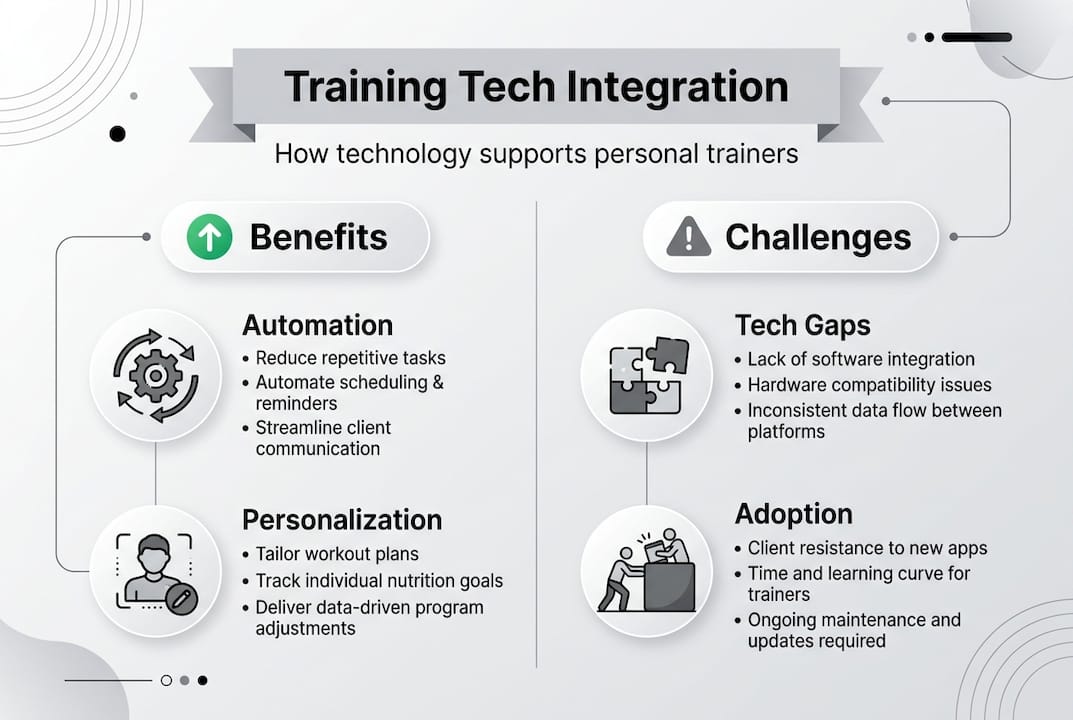
Technology resistance among experienced trainers often reflects valid concerns about depersonalization and reduced human connection. These trainers built successful practices on relationship-based coaching and worry that screens will create distance between them and clients. Addressing this concern requires demonstrating how technology can deepen rather than replace personal interaction through better preparation and more informed conversations.
Privacy concerns extend beyond regulatory compliance to client comfort with data sharing. Many individuals feel uneasy about companies collecting detailed information about their physical activity, location, and health metrics. Transparent data policies and client control over information sharing build trust and increase willingness to engage with monitoring technologies.
Digital literacy gaps create real barriers for certain client demographics. Older adults, individuals from lower socioeconomic backgrounds, and those with limited technology exposure may struggle with app-based training systems. Effective implementation requires acknowledging these gaps and building support systems that prevent technology from becoming an obstacle to training success.
Explainable AI represents a significant advancement in building trainer and client trust. Rather than delivering recommendations from a black box algorithm, newer systems show the reasoning behind programming decisions using transparent logic that trainers can verify and explain to clients. This transparency helps trainers maintain authority over programming while leveraging AI analytical capabilities.
Emerging trends shaping the next generation of training technology include:
- Advanced wearables measuring muscle oxygenation, hydration status, and real-time biomechanical efficiency during movement
- Long-term adherence monitoring systems that identify behavioral patterns predicting dropout risk before clients disengage
- Integrated platforms seamlessly combining AI program generation with human coaching touchpoints in unified workflows
- Virtual reality training environments enabling remote coaching with spatial awareness and movement tracking
- Predictive analytics identifying injury risk based on training load, recovery metrics, and movement quality trends
Research priorities increasingly focus on validation studies comparing AI-generated programs to human-designed protocols across diverse populations and training goals. These studies will establish evidence-based guidelines for when algorithmic recommendations add value versus when human expertise remains superior.
Pro Tip
Follow industry research publications and attend technology-focused fitness conferences to stay current on emerging tools and validation studies that will shape best practices over the next few years.
Longitudinal adherence research examines how technology-assisted training affects client retention over months and years rather than short-term outcome studies. Understanding which technological interventions support sustained behavior change versus which create temporary engagement will refine how trainers deploy these tools strategically.
The competitive landscape will increasingly favor trainers who skillfully blend technological efficiency with human connection. Clients will expect data-informed programming and seamless digital experiences while still valuing the motivation, accountability, and expertise that only human coaches provide. Mastering this balance becomes the defining skill separating thriving training businesses from those struggling to adapt.
Enhance your personal training workflow with TrainingPro
TrainingPro integrates AI-powered workout building, client management, and scheduling automation into a unified platform designed specifically for personal trainers. Our Arnold AI assistant creates personalized programs considering client injuries, equipment availability, and training preferences while you maintain full control over final programming decisions. The platform saves trainers over 10 hours weekly by automating routine tasks like workout delivery, progress tracking, and client communications.
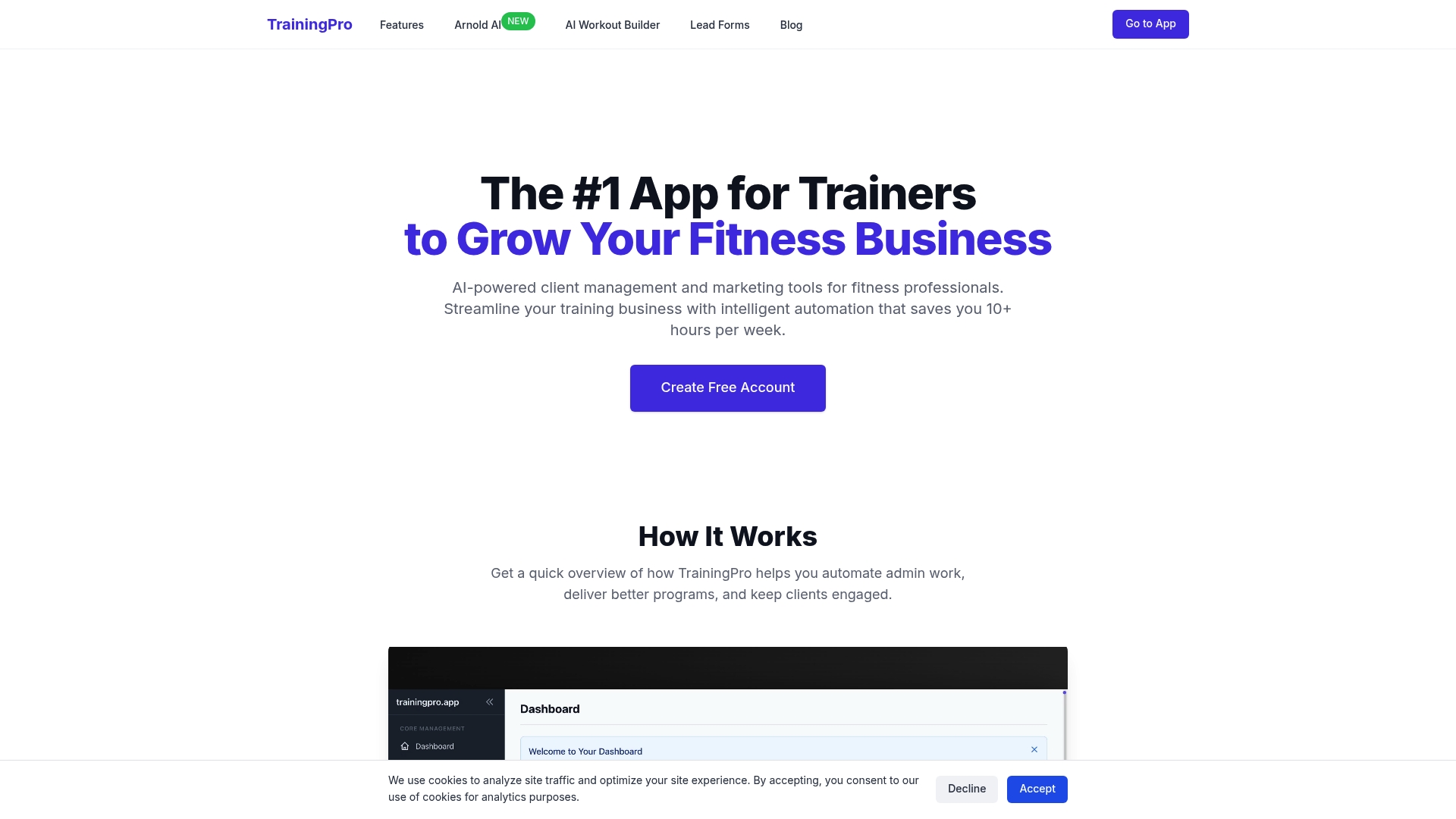
Explore how AI workout building transforms program creation from hours of manual work to minutes of strategic refinement. Download our comprehensive AI-powered workout guide to discover practical strategies for implementing automation without losing the personal touch that makes your coaching valuable. Visit TrainingPro to see how successful trainers blend technology with expertise to grow their businesses while improving client outcomes.
Ready to Transform Your Fitness Business?
Join thousands of trainers using TrainingPro to automate admin, grow their client base, and focus on what they love—coaching.
Start your 14-day free trial • Cancel anytime
FAQ
Technology enhances personalization through data-driven insights, automates administrative tasks like scheduling and billing, and enables continuous monitoring of client progress between sessions. It supports trainers by handling repetitive analysis and communication while preserving the human elements of motivation, form correction, and emotional support that remain essential for effective coaching.
Look for platforms offering client relationship management, exercise libraries, wearable integration, and scheduling automation designed specifically for fitness professionals. Prioritize user-friendly interfaces that both you and clients can navigate easily, verify privacy compliance and data security features, and test tools with a small client group before full implementation to identify workflow issues.
AI cannot replicate the body awareness, contextual memory, and biomechanical expertise required for real-time form corrections during complex movements. Wearables provide valuable data but lack the interpretive capacity to adjust programming based on client mood, life stress, or subtle physical cues. Hybrid models combining technology for data collection with human trainers for interpretation and motivation deliver the best results.
Automated check-ins maintain consistent communication between sessions, progress visualization tools provide tangible evidence of improvement that sustains motivation, and personalized programming based on biometric data makes clients feel their unique needs are being addressed. Technology enables trainers to scale personalized attention across larger client rosters without sacrificing the individualized experience that drives long-term retention.
Explainable AI systems will show transparent reasoning behind programming recommendations, building trust through understandable logic rather than black box algorithms. Advanced wearables will measure additional metrics like muscle oxygenation and real-time biomechanical efficiency. Longitudinal adherence studies will identify which technological interventions support sustained behavior change, refining how trainers deploy these tools strategically for maximum client success.


