
What is hybrid personal training? A 2026 guide
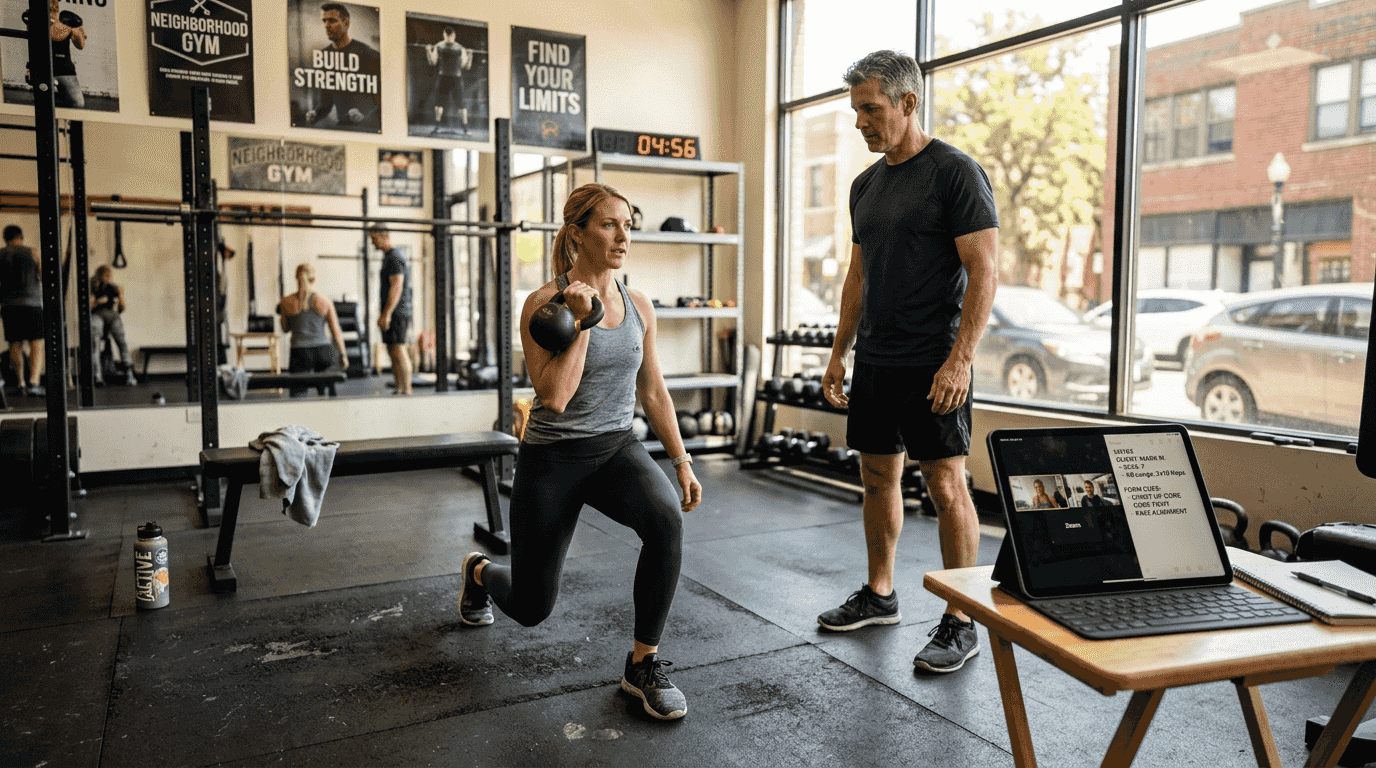
Think personal training only works when you're standing next to your client? That mindset is costing you clients and revenue in 2026. Hybrid personal training is reshaping how trainers deliver results by combining hands-on sessions with digital coaching for maximum flexibility. This guide explains what hybrid personal training is, how it works, and why it's becoming the preferred model for trainers looking to expand their reach while maintaining personalized service.
Table of Contents
- Understanding Hybrid Personal Training: Definition And Core Structure
- Methods And Technology Used In Hybrid Personal Training
- Benefits And Challenges Of Hybrid Personal Training For Trainers And Clients
- Optimizing Hybrid Personal Training: Expert Tips And Best Practices
- Boost Your Hybrid Personal Training With TrainingPro
- What Are The Most Common Questions About Hybrid Personal Training?
Key takeaways
Understanding hybrid personal training: definition and core structure
Hybrid personal training merges face-to-face sessions with virtual coaching components to deliver personalized fitness programming. This delivery model combines in-person training sessions with online workout plans and progress tracking to provide flexibility and enhanced engagement. Unlike traditional training that requires clients to show up at the gym multiple times weekly, hybrid models give you the freedom to serve clients on their schedule while maintaining the accountability that drives results.
The typical structure includes 1-2 in-person sessions per week or month, supplemented by virtual check-ins and app-based workouts. During live sessions, you assess form, introduce new movement patterns, and build rapport. Between sessions, clients follow customized programs you've designed, track their workouts through mobile apps, and receive nutrition guidance digitally. This rhythm keeps clients engaged without requiring them to commute to your facility five days weekly.
Virtual check-ins and mobile apps help you monitor and guide clients remotely. You can review workout videos they submit, answer questions via messaging, and adjust programming based on progress data. This approach balances personal attention with client convenience and autonomy. They get expert guidance when they need it most while developing independence for long-term success.
A well-designed hybrid training model typically includes these components:
- Scheduled in-person sessions for assessment, technique coaching, and motivation
- Custom workout programs delivered through apps for independent training days
- Regular virtual check-ins via video call or messaging for accountability
- Progress tracking tools that capture metrics like strength gains and body composition
- Nutrition guidance and lifestyle coaching through digital platforms
This structure lets you serve more clients without sacrificing quality. You're not choosing between personal attention and scalability. You're strategically deploying your time where it creates the most value.
Methods and technology used in hybrid personal training
Apps enable delivery of customized workouts, nutrition plans, and progress tracking that keep clients on track between sessions. Modern platforms let you build programs with exercise videos, set tracking, and automated reminders. Clients open their app, see exactly what to do, and log their performance. You review their data and adjust programming without scheduling extra meetings.
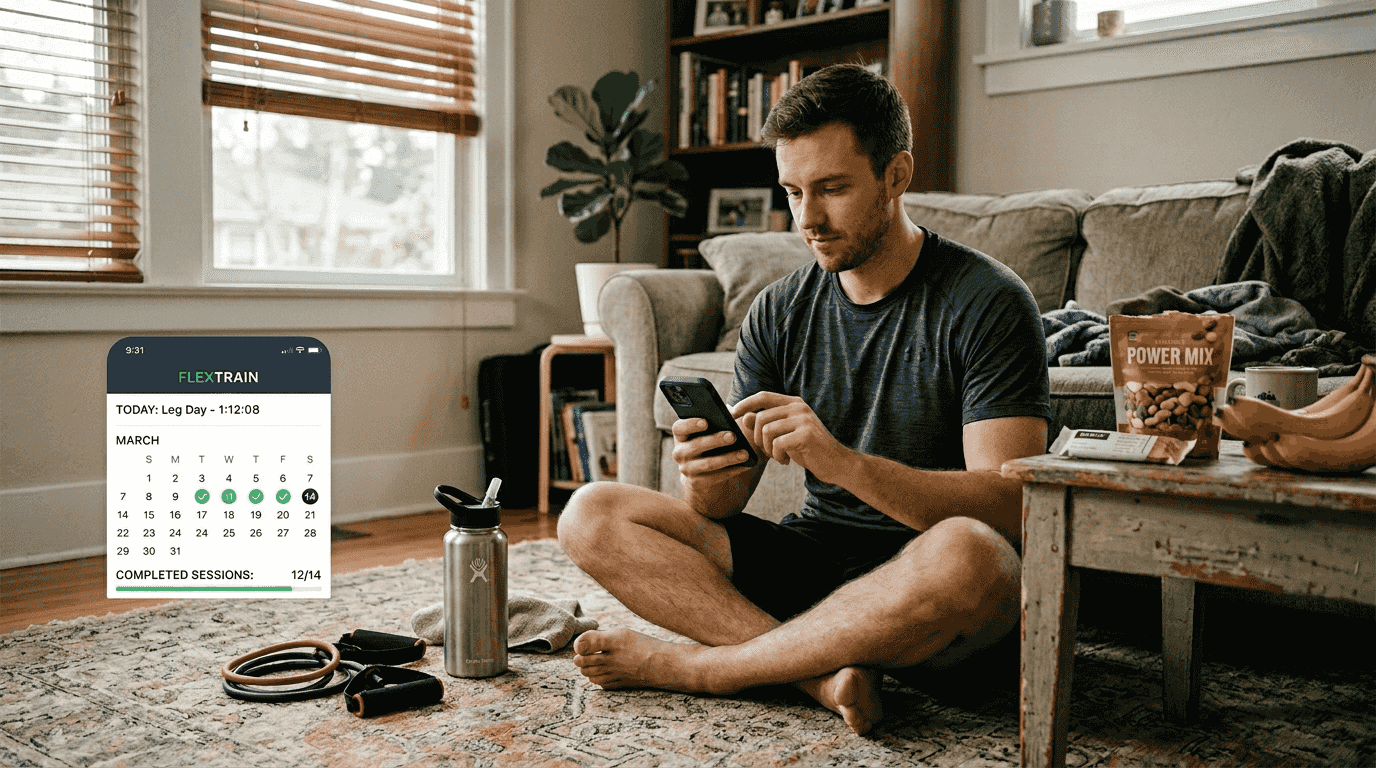
Video demos help clients perform exercises correctly outside sessions. Instead of guessing whether they're doing a Romanian deadlift properly, they watch your demonstration, record themselves, and send you the footage. You provide feedback asynchronously, correcting form issues before they become injury risks. This method extends your coaching presence beyond the gym floor.
Regular virtual check-ins maintain accountability and motivation remotely. A quick 15-minute video call mid-week can address questions, celebrate progress, and reinforce commitment. These touchpoints prevent the drift that happens when clients train alone for extended periods. You're present in their fitness journey even when you're not physically together.
Hands-on corrections during in-person sessions complement guided self-training. When you meet face to face, you focus on complex movements that require tactile cues, introduce new training phases, and conduct assessments. The in-person time becomes more valuable because you're not spending it on routine exercises clients can handle independently.
Key methodologies involve personalized programming via apps, video demos, and remote accountability through check-ins. This approach blends hands-on corrections with self-guided sessions for operational efficiency. You're leveraging training technology tools to multiply your impact without diluting service quality.
Effective hybrid trainers use:
- Comprehensive coaching platforms that integrate programming, communication, and tracking
- Video analysis tools for remote form assessment and feedback
- Progress tracking dashboards that visualize client improvements over time
- Automated scheduling systems that manage both virtual and in-person appointments
- Digital nutrition and habit coaching modules that support holistic wellness
Pro Tip
Prioritize seamless onboarding and app familiarity to boost client adherence. Spend your first session teaching clients how to use the technology, not just how to squat. When they're comfortable with the tools, they'll actually use them. The technology should feel invisible, supporting personalized programming techniques rather than creating barriers. Meeting online fitness coaching standards means ensuring your tech stack enhances rather than complicates the client experience.
Benefits and challenges of hybrid personal training for trainers and clients
Trainers expand their client base beyond local limits and improve retention with flexible delivery. You're no longer restricted to people within a 10-mile radius of your gym. Remote clients, traveling professionals, and people who relocate can continue working with you. This geographic freedom translates directly to revenue growth because you're tapping markets traditional trainers can't reach.
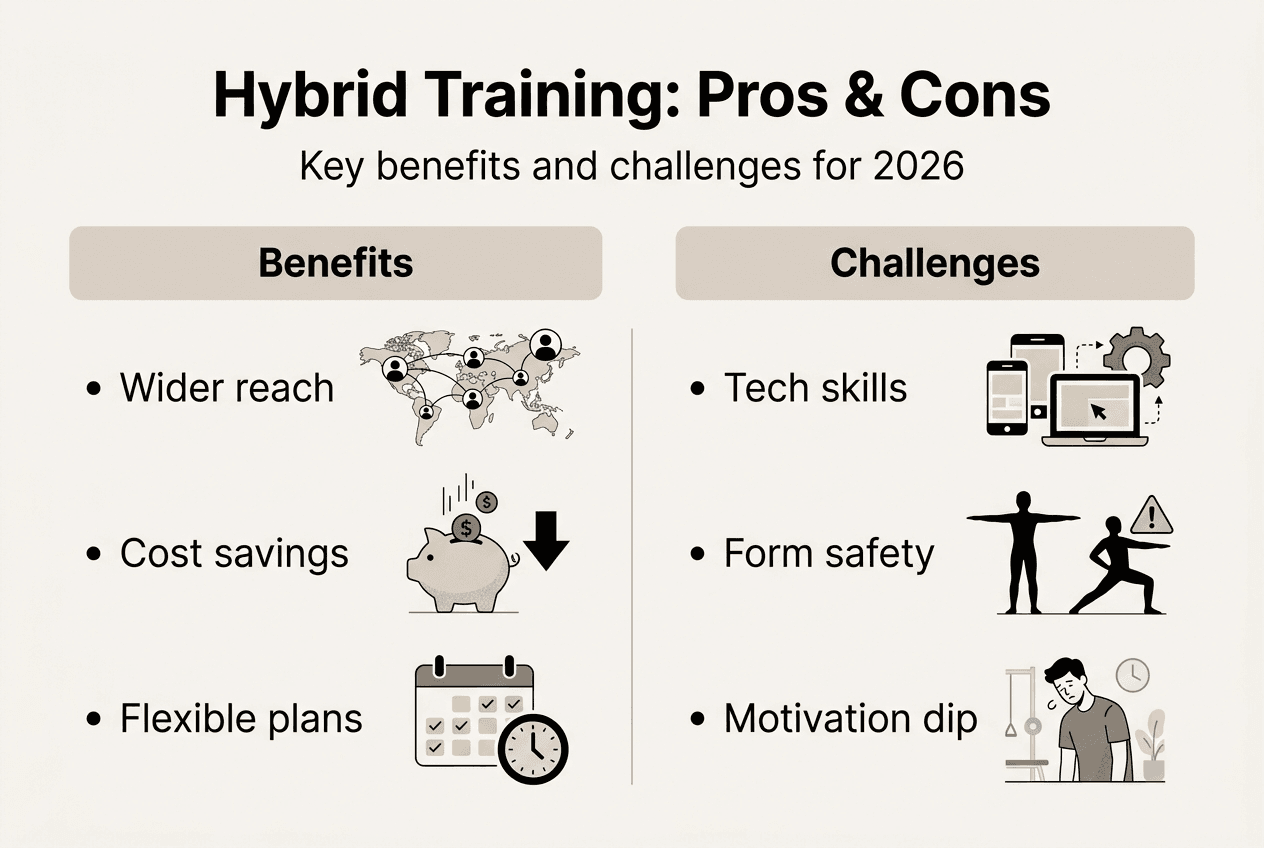
Clients enjoy convenience, cost savings, and ongoing motivation. They pay less than full in-person rates while still getting expert guidance. They train on their schedule, not yours. They stay connected to you during business trips, vacations, and life disruptions that would derail traditional training relationships. This flexibility drives the higher retention rates hybrid models achieve.
Challenges include client tech proficiency, maintaining motivation, and ensuring form safety. Not every client arrives comfortable with apps and video calls. Some struggle with self-direction when you're not physically present. Others perform exercises incorrectly without immediate correction, risking injury. These training challenges require proactive solutions rather than reactive fixes.
Beginners may need more in-person time for proper form development. Someone learning to deadlift benefits from your hands guiding hip hinge mechanics. Once they've mastered fundamentals, they can execute variations independently. Hybrid models work best when you match the in-person to virtual ratio with client experience and needs.
Busy professionals and parents thrive in hybrid arrangements. They value efficiency and appreciate programming that fits chaotic schedules. They're typically self-motivated and tech-savvy, making them ideal candidates. The model also suits clients transitioning from full personal training to maintenance phases or those recovering from injuries who need periodic assessment but can handle most training independently.
Pro Tip
Screen clients for readiness and adapt the hybrid balance accordingly. During consultations, assess their motivation level, tech comfort, and training experience. A beginner might start with three in-person sessions monthly, while an experienced client might only need one. Your business growth strategies should include client segmentation based on these factors.
"The key is matching the model to the client, not forcing every client into the same hybrid formula. Some need more hands-on time initially, others want maximum independence from day one."
Understand that hybrid training requires client self-motivation and creates potential tech barriers. Set clear expectations upfront about communication response times, session frequency, and independent training requirements. This transparency prevents mismatched expectations that damage relationships and hurt retention.
Optimizing hybrid personal training: expert tips and best practices
Effective onboarding sets expectations and familiarizes clients with tools. Your first interaction should cover how communication works, when they'll hear from you, what to do if they have questions, and how to use your platform. Walk them through logging workouts, submitting videos, and accessing programs. This investment prevents confusion and abandoned clients.
Use progress tracking apps and regular virtual check-ins to maintain accountability. Schedule weekly or biweekly video calls to review progress, adjust programming, and reinforce goals. These touchpoints create structure that mimics in-person training's accountability without requiring facility visits. Success hinges on leveraging tech for scale while retaining in-person value through strategic onboarding and consistent engagement.
Balance between virtual and in-person sessions tailored to client needs and motivation levels. High performers might only need monthly in-person sessions for assessments and program updates. Clients struggling with motivation might benefit from weekly face-to-face accountability. Adjust the ratio based on results and feedback rather than applying a one-size-fits-all approach.
Ideal hybrid clients include geographically remote individuals, busy professionals, or those transitioning training phases. Someone moving from injury rehabilitation to general fitness makes an excellent candidate. They've built foundational movement quality and now need programming more than constant supervision. Similarly, clients relocating but wanting to maintain their training relationship thrive in hybrid formats.
Follow these steps to launch or optimize your hybrid offering:
Pro Tip
Monitor client motivation closely to adjust engagement frequency and methods. If someone's workout completion rate drops below 70%, schedule an extra check-in or add an in-person session. Proactive intervention prevents dropouts. Leverage resources like an AI workout builder guide to streamline program creation. The time you save on programming can be redirected to client communication and business development.
Boost your hybrid personal training with TrainingPro
Implementing hybrid training requires the right technology foundation. TrainingPro is a comprehensive platform tailored for trainers delivering hybrid services at scale. The AI-powered workout builder creates personalized programs in minutes, considering client goals, injuries, and equipment access. You maintain your coaching expertise while automating time-consuming program design.
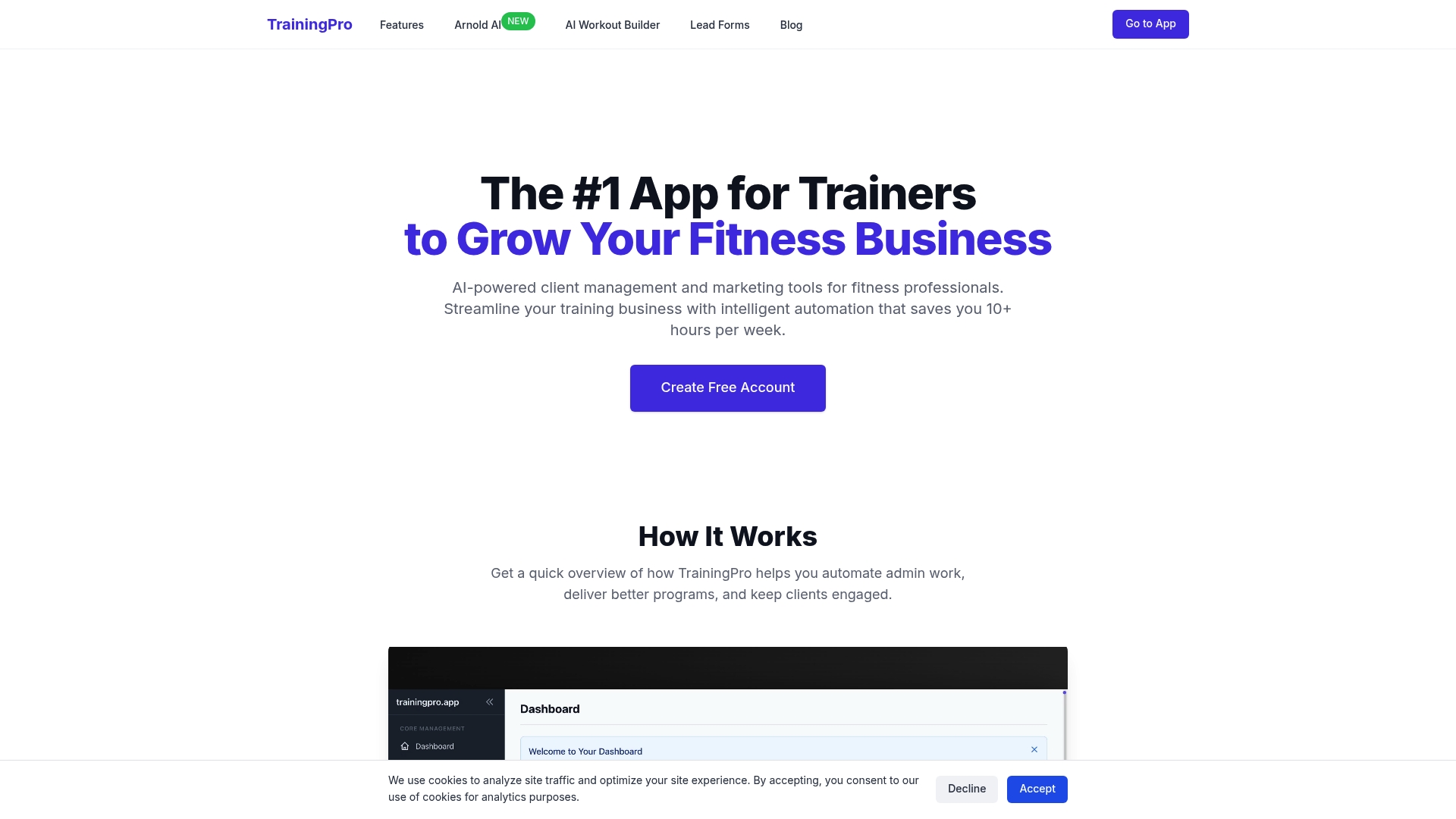
The client app for workouts provides seamless workout sharing and progress tracking. Clients log sets, record videos, and message you directly within the platform. You review everything from a unified dashboard, eliminating the chaos of multiple communication channels. This streamlined approach saves over 10 hours weekly while improving client engagement and retention. Explore how TrainingPro can transform your hybrid training business with automation that enhances rather than replaces your personal touch.
Ready to Transform Your Fitness Business?
Join thousands of trainers using TrainingPro to automate admin, grow their client base, and focus on what they love—coaching.
Start your 14-day free trial • Cancel anytime
What are the most common questions about hybrid personal training?
Clients need basic equipment matching their program design. Home-based hybrid clients typically require resistance bands, dumbbells, and a stability ball at minimum. You should assess their available equipment during onboarding and design programs accordingly, offering exercise substitutions when needed.
Track progress through app-logged workouts, periodic video form checks, and monthly virtual assessments. Have clients submit measurements, progress photos, and performance benchmarks like timed runs or max rep tests. Consistent data collection provides objective progress indicators without in-person testing.
Hybrid training works best for clients with basic movement competency and self-motivation. Complete beginners benefit from more in-person time initially to build proper form and exercise familiarity. Advanced clients and those transitioning from full training to maintenance thrive in hybrid formats immediately.
Schedule virtual check-ins weekly or biweekly depending on client needs and experience. Newer hybrid clients benefit from weekly touchpoints to maintain accountability and address questions. Experienced, self-motivated clients often succeed with biweekly check-ins supplemented by asynchronous messaging.
A common effective ratio is 1-2 in-person sessions monthly combined with 2-4 weekly virtual check-ins. Adjust based on client experience, motivation level, and training complexity. Beginners might start with weekly in-person sessions, progressing to monthly as they develop independence. Consider exploring various personal training business ideas to find the hybrid model that fits your market and expertise.
Recommended
- Online vs. In-Person Training: Why the Hybrid Model Wins in 2026 | TrainingPro
- Business growth strategies for trainers in 2026 | TrainingPro
- What is Personal Training Software? (A 2026 Guide) | TrainingPro
- How to Become a Personal Trainer in 2026: The Real Career Path | TrainingPro
- Supplement Dosage Guide for UK Fitness Success – MyGymSupplements


